 RoofingCalculator.io
Regular Roof Maintenance
By RoofingCalculator.io. Updated October 14, 2026. Prices, ratings and code references link to their sources.
Pricing your own roof? Get squares, materials and a 2026 cost range in about two minutes. Free, no sign-up.
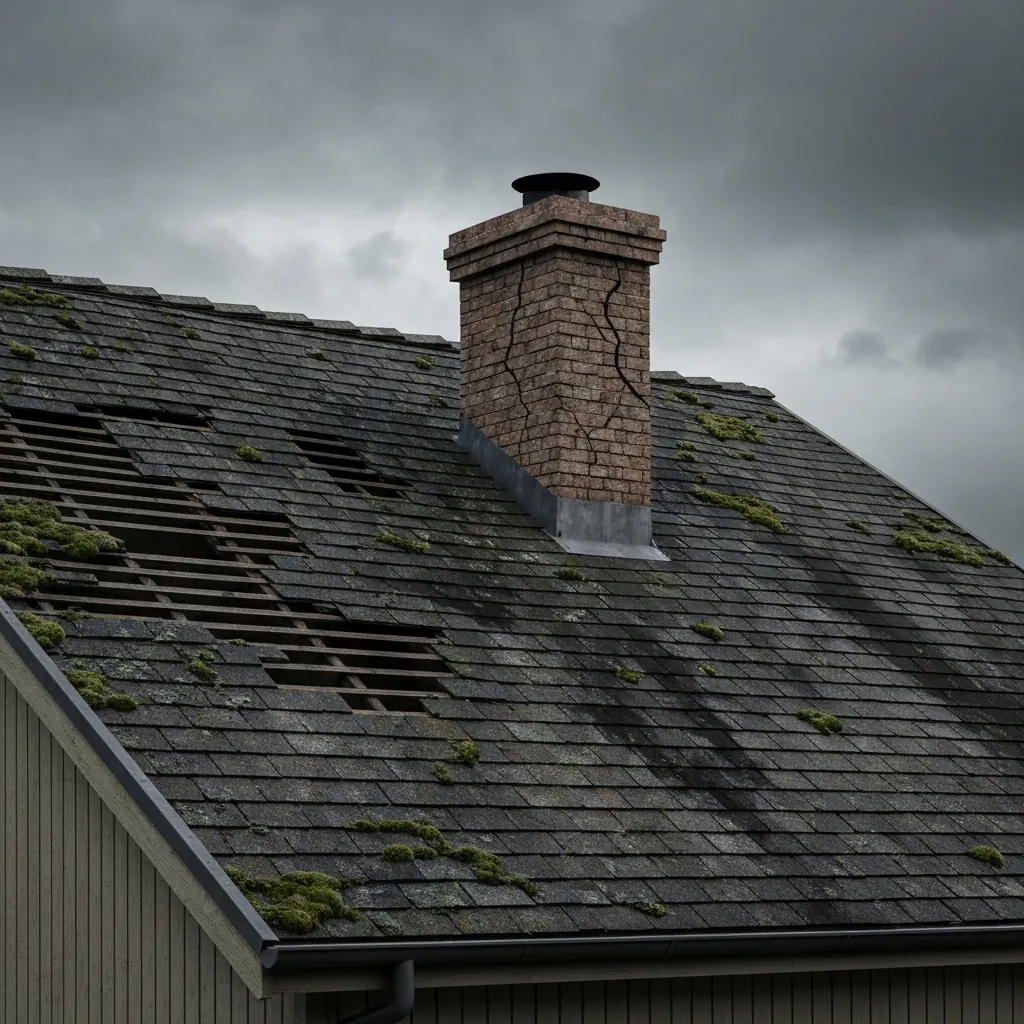
Regular roof maintenance means inspecting the roof twice a year, keeping gutters and valleys clear, trimming branches back and fixing small problems as soon as they appear. Most homeowners spend about $300 to $1,000 a year on it. That upkeep is a large part of why one shingle roof reaches its full life while an identical one fails early.
A good routine covers four things.
- Inspect in spring and fall. Check shingles, flashing and the attic, and look again after any major storm.
- Keep water moving. Clean gutters, downspouts and valleys before winter so water drains instead of backing up.
- Protect the attic. Good ventilation and insulation prevent summer heat damage and winter ice dams.
- Fix small problems quickly. A missing shingle, cracked pipe boot or dried-out sealant costs little to repair now and much more later.
Is regular roof maintenance worth it?
Yes. Maintenance helps shingles reach their rated life. InterNACHI estimates about 20 years for 3-tab shingles and 30 for architectural, and lists adequate maintenance as one of the factors that determines how long a real roof lasts. A season of clogged gutters, a split pipe boot or a few blown-off shingles left unrepaired can take years off that figure.
Upkeep usually costs $300 to $1,000 a year, with large, steep or heavily wooded roofs at the top of the range. A professional inspection costs $200 to $500 and gutter cleaning $150 to $400, and the small repairs an inspection finds, such as a resealed pipe boot or a few new shingles, add about $150 to $400. An early reroof costs far more: architectural shingles at about $450 to $750 per square installed put a 20-square roof near $9,000 to $15,000, not including tear-off. The roofing calculator will price a reroof for your own house.
Each season brings different risks: ice, snow load and wind in winter, heat and UV in summer, and leaf-filled gutters in fall. Knowing what to expect lets you catch problems while they are cheap to fix.
Check for winter damage in spring
Spring is the time to assess winter damage. FEMA says a roof should "be inspected at least twice per year, generally in the spring and fall," and again after high winds. Use binoculars from the yard and work around the house one slope at a time.
Look for shingles that have lifted, curled or cracked, and for bare patches where granules have come off. Granules protect the asphalt from sunlight, and once they wash into the gutter the shingle dries out and splits. Winter wind can also break the adhesive strips loose, and an unsealed tab can look normal from the ground until a spring storm tears it off and exposes the underlayment.
Check the flashing next. Freeze-thaw cycles loosen flashing fasteners and crack the sealant along the top of chimney counter-flashing, and crumbling mortar lets water in behind flashing that looks intact. Resealing or repointing a few courses costs about $200 to $500, far less than repairing a slow leak into the rafters and deck.
Finish in the attic with a flashlight. Fresh stains on the underside of the deck, damp insulation, rusty nail tips or daylight around a pipe all indicate a leak that has not yet reached the ceiling.
Keep attic heat from baking the shingles in summer
Summer maintenance focuses on heat. A dark roof in July sun gets much hotter than the air, and if the attic cannot vent that heat, the shingles are heated from both sides. Their oils bake out, and they blister and curl ahead of schedule. Many shingle warranties also exclude damage caused by poor ventilation.
Code usually requires 1 square foot of net free vent area per 150 square feet of attic floor, split between intake at the soffits and exhaust near the ridge. Check that soffit vents are not painted shut, clogged with dust or blocked by wasp nests. In the attic, make sure insulation is not packed into the eaves; baffles between the rafters keep that air channel open. An attic that is extremely hot or smells musty is not getting enough airflow, and extra vents typically cost $300 to $800.
Moss and algae also grow in summer, mostly on the shady north side. Algae causes black streaks and is mainly cosmetic. Moss is more harmful, because it holds water against the shingles and lifts their edges as it grows. Spray a roof-safe cleaner, let the moss loosen and rinse it off without scraping. The Asphalt Roofing Manufacturers Association is direct: "DO NOT use a power washer" on the roof. The roof moss removal guide covers products and methods, and a professional soft wash on an average house costs about $400 to $900.
Clear gutters and drainage before the fall freeze
Fall maintenance is about drainage before the freeze. Empty the gutters completely, including leaves, twigs and the sludge at the bottom. Wet debris is heavy enough to pull hangers out of the fascia, and overflow spills over the back edge onto the fascia board, soffit and wall. Clean once most of the leaves have fallen.
Then run a hose into the high end of each gutter. If the water backs up instead of flowing out the downspout, there is a clog in an elbow or the underground drain line. Standing water in a clean gutter means the slope is wrong; it should fall about 1/4 to 1/2 inch every 10 feet toward the downspout. Professional cleaning on a two-story house costs about $150 to $400. Gutter guards, at $7 to $12 per foot installed, reduce cleanings but do not eliminate them, and they still need a yearly check.
Clear the valleys as well. Leaves and needles collect where two slopes meet, form small dams and push water sideways under the shingles. Use a leaf blower or a soft brush from a safe position, since a stiff broom scrubs off granules.
Before the first frost, check every pipe boot. The rubber cracks in sunlight, often years before the surrounding shingles wear out, which makes boots one of the most common leak points on any shingle roof. Replacing one costs about $150 to $300.
Watch the roof from the ground in winter
Winter maintenance is mostly observation. Roofs are built for the snow load set by local code, but wet, packed snow weighs several times as much as fresh powder. After a heavy storm, stay on the ground and use a long-handled roof rake to clear the bottom few feet. Never climb onto a snowy or icy roof.
In cold climates, ice dams are the main concern. Warm air leaks into the attic, melts the snow higher on the roof, and the water refreezes at the cold eave, where the pond behind the ice backs up under the shingles. The lasting fix is in the attic: air sealing, insulation and ventilation that keep the deck cold, as explained in the ice dam prevention guide. An existing dam can be removed safely with low-pressure steam at roughly $400 to $600 an hour, while hammers and rock salt damage shingles and gutters.
Indoors, watch the ceilings. A new stain, sagging drywall or a door that suddenly sticks can signal a leak or heavy load on the framing.
Inexpensive habits add years to a roof
The habits that extend a roof's life are mostly inexpensive. On two identical houses roofed in the same year, the roof whose owner follows these habits is often still sound years after the other needs replacing.
- Keep trees about ten feet back. A branch on the roof wears off granules when the wind moves it, drops wet debris and gives squirrels and raccoons access to vents and soffits. Trimming costs roughly $300 to $1,000 per tree, and large limbs over the house are a job for an arborist.
- Replace damaged shingles promptly. One missing shingle leaves underlayment exposed to sunlight it was not designed for, and a leak can follow within weeks. A service call costs $150 to $300, and leftover bundles from the original job help the patch match.
- Fix nail pops. A nail that backs out raises the shingle above it, and wind or ice can tear it open. Pull the nail, seal the hole and drive a new nail into solid wood nearby.
- Add zinc or copper strips if moss returns. Strips just below the ridge release metal ions when it rains, discouraging moss and algae on the slope below. They cost a few dollars per foot and suit damp, shady roofs. At reroof time, algae-resistant shingles do the same job through their granules.
- Maintain the attic. Good ventilation and insulation prevent summer overheating and winter ice dams, two of the main causes of early roof failure.
- Check skylights and chimneys yearly. Skylight seals and gaskets dry out over 10 to 15 years, and the sealant where flashing meets brick takes every storm directly. A tube of polyurethane roof sealant costs very little.
When it is time to replace the roof, tear off the old shingles rather than overlaying them. A second layer hides rotten decking, adds weight and runs hotter, shortening the new shingles' life, and codes usually limit roofs to two layers. A tear-off costs about $100 to $150 per square and gives the new roof a sound deck.
Metal, tile and flat roofs need different care
Asphalt needs the most regular attention, because wind, sun and debris all wear on it. Inspect it twice a year and after every major storm. Other roof types have different needs:
- Metal roofs last much longer but have their own weak points. On exposed-fastener panels, the rubber washer under each screw dries and cracks after 10 to 15 years, and screws can back out as panels expand and contract. Have them checked and replaced as needed, and look for scratches, often from branches, that can start rust.
- Clay and concrete tile is durable but breaks underfoot. The tiles can outlast several underlayments, so keep water channels clear, replace cracked tiles and monitor the underlayment as it ages. Only experienced people should walk on a tile roof.
- Flat and low-slope roofs need the most attention. With little slope, a small pile of leaves can create a pond that stresses seams and flashing. Sweep the roof and check drains and scuppers every season and after every storm.
Should you repair or replace your roof?
Repair isolated problems, such as a chimney leak or a few shingles lost in a storm. Widespread problems usually call for replacement: more than about 20 percent of shingles curling, leaks in several places, or more than $1,000 of work on a roof near the end of its rated life. Old shingles become so brittle that lifting one cracks its neighbors, and a roofer who will not warranty a repair is signaling the same conclusion.
Many roofers offer maintenance plans with one or two visits a year for about $300 to $600 annually. These usually include an inspection, gutter cleaning and minor sealing, and the records help later with warranty or insurance claims. Confirm that the company carries general liability and workers' compensation insurance, or an injury on your property could become your expense.
Ask for a written report with photos of the surface, flashing, gutters and attic, plus before-and-after photos of any repairs. Questions to ask the inspector:
- How many years of life does the roof have left?
- Is any damage from storms rather than normal aging?
- Does the attic ventilation meet code?
- How many layers of shingles are on the roof?
A thorough inspector has clear answers and spends 45 minutes or more on the roof and in the attic, not 15.
Regular roof maintenance questions
How often should a roof be inspected?
Inspect an asphalt roof twice a year, in spring and fall, and after any major storm. Binoculars from the yard cover most of it. Have a professional inspect it every two years, or every year once the roof is past 15.
What does regular roof maintenance include?
It includes clearing gutters and valleys, trimming branches, looking for curled or missing shingles, and checking flashing, pipe boots and sealant. It also includes an attic check for stains, daylight and blocked vents. Fix small problems right away, before they grow.
How can I make my roof last longer?
Keep gutters and valleys clean, trim branches about ten feet back, and replace damaged shingles as soon as you find them. Keep the attic ventilated and insulated so shingles do not overheat in summer or sit under ice dams in winter. Never pressure wash the roof, and have the flashing and pipe boots checked every year or two.
How much does roof maintenance cost per year?
Most houses need about $300 to $1,000 a year. Larger, steeper and more heavily wooded properties cost more. A professional inspection costs about $200 to $500 and gutter cleaning about $150 to $400, far less than replacing a roof years early.
Can I clean my roof with a pressure washer?
No, not on asphalt shingles. The spray strips granules and can void the warranty. Use a low-pressure soft wash with a cleaner the shingle manufacturer approves.
Prices are 2026 US national averages and building codes vary by town. Materials, warranties and code adoptions change, so confirm prices with local contractors and code rules with your building department before you sign anything.
Estimate Your Roof Cost
Use our free roofing calculator. No sign-up required.