 RoofingCalculator.io
How Much Does a New Roof Cost in 2026?
By RoofingCalculator.io. Updated October 14, 2026. Prices, ratings and code references link to their sources.
Pricing your own roof? Get squares, materials and a 2026 cost range in about two minutes. Free, no sign-up.
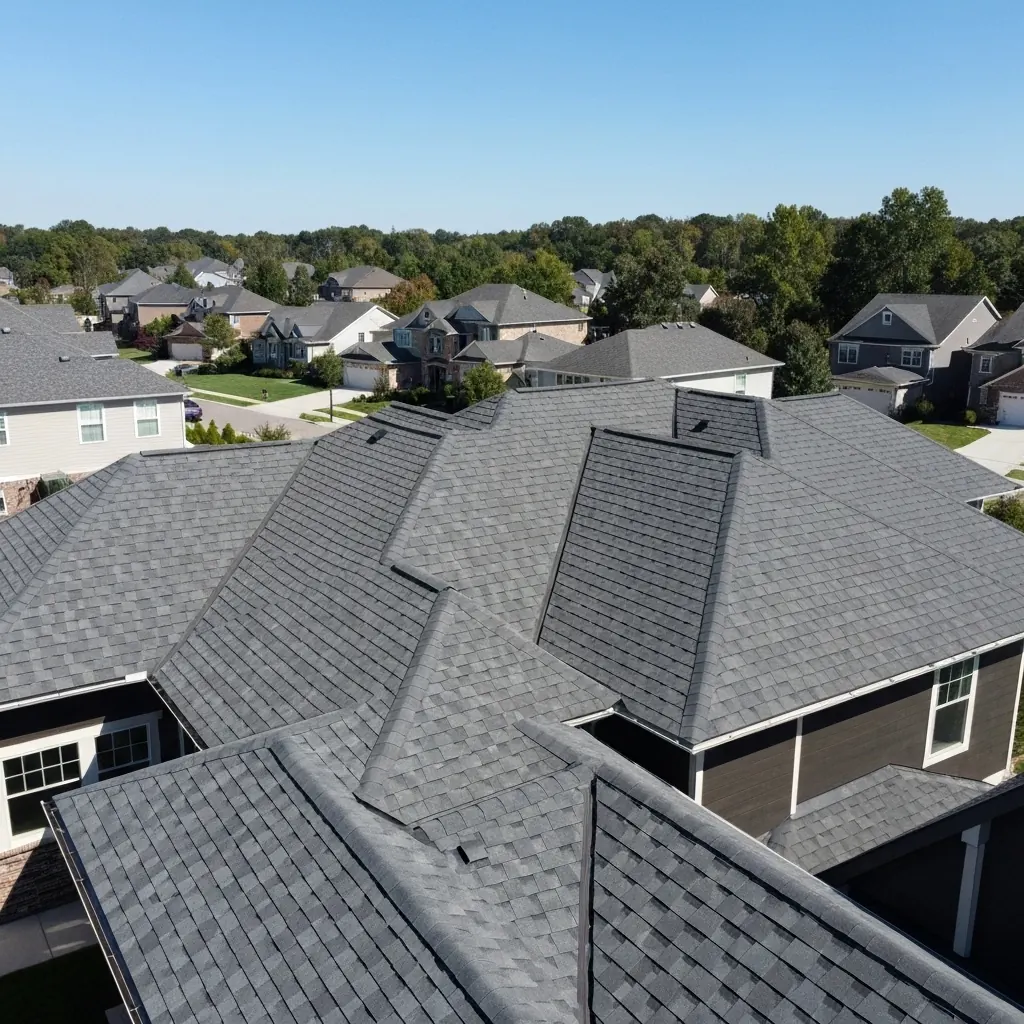
A new architectural shingle roof on a typical 2,000-square-foot house costs around $13,000 to $22,500 in 2026, including tear-off and disposal of the old layer. That works out to about $450 to $750 per square installed (a square is 100 square feet of roof), or $4.50 to $7.50 a square foot. Metal, tile and slate cost more, from double to five times as much.
Five factors decide most of the price.
- Material sets the base price. Asphalt is the cheapest, metal roughly doubles it, and tile and slate cost the most.
- Roof size is larger than the house. Pitch and waste add area, so a 2,000-square-foot footprint becomes about 25 squares at a 6/12 pitch.
- Tear-off and decking add to the bill. Each old layer costs about $100 to $150 a square to remove, and rotten sheathing is replaced by the sheet.
- Pitch, shape and height raise labor. Steep slopes, hips, valleys, dormers and extra stories all slow the crew.
- Location and season move the bid. Labor rates, permit fees and local code requirements vary widely.
New roof prices by material
Roofers quote by the square, and most homeowners think in square feet, so the table shows both. Prices are for a standard one-layer replacement in 2026, installed, with tear-off excluded because it is charged separately. Most lifespans come from the InterNACHI life expectancy chart. Two rows show real-world roof life instead: exposed-fastener metal, where the screws and washers fail long before the steel, and concrete tile, where the tile outlasts the underlayment beneath it.
| Material | Per square foot | Per square | Typical life |
|---|---|---|---|
| 3-tab asphalt | $3.80 to $5.50 | $380 to $550 | About 20 years |
| Architectural asphalt | $4.50 to $7.50 | $450 to $750 | About 30 years |
| Exposed-fastener metal panels | $6 to $10 | $600 to $1,000 | 20 to 30 years |
| Standing seam metal | $10 to $16 | $1,000 to $1,600 | 40 to 80 years |
| Wood shingles and shakes | $9 to $14 | $900 to $1,400 | About 25 years |
| Concrete tile | $9 to $16 | $900 to $1,600 | 30 to 50 years (tile itself 100+) |
| Clay tile | Above concrete | Above concrete | 100+ years (tile only) |
| Natural slate | $30,000 to $100,000 for a whole roof | 60 to 150 years | |
Most quotes are for asphalt, and most asphalt roofs are now architectural, as 3-tab becomes harder to find at suppliers. Moving up from 3-tab buys roughly ten more years and a much better wind rating. Luxury asphalt, a thicker shingle made to resemble slate or shake from the street, costs noticeably more than architectural. The guide to types of shingles covers each grade and the brands behind them.
Metal comes in two main types. Screw-down panels with exposed fasteners are the cheaper option, and standing seam, with hidden fasteners and raised seams, is the premium option at roughly double the cost of architectural shingles. The metal roofing guide covers panel types, gauges and finishes in detail. Tile and slate are heavy enough that the framing sometimes needs an engineer's review first. Synthetic slate or shake, made of much lighter molded polymer, usually costs between $15,000 and $28,000 for a whole roof.
A worked example
Consider a simple two-story house with a 2,000-square-foot footprint, overhangs included, and a 6/12 roof, meaning the roof rises 6 inches for every 12 inches of horizontal run. A roofer gets from those two facts to a price in six steps.
- Account for the slope. A 6/12 roof has about 13.4 inches of surface for every 12 inches of footprint, a multiplier of 1.118. So 2,000 times 1.118 is 2,236 square feet of actual roof.
- Add waste for cuts. Hips, valleys and rakes need trimming. A simple gable takes about 10 percent and a complex roof 15, which gives 2,460 to 2,571 square feet.
- Divide by 100 for squares. That is roughly 24.6 to 25.7, or about 25 squares.
- Multiply by the installed price. At $450 to $750 a square for architectural shingles, 25 squares comes to $11,250 to $18,750.
- Add tear-off on the actual roof area. No waste applies to the old roofing. One layer over 22.4 squares at $100 to $150 a square is about $2,240 to $3,360.
- Add the permit. In many towns it costs $150 to $400.
The total is roughly $13,600 to $22,500. The same house in standing seam would cost $25,000 to $40,000 for 25 squares at $1,000 to $1,600, before tear-off. Concrete tile falls in a similar range, provided the rafters can carry the weight.
Your house will differ from this example. Steeper roofs raise the multiplier (a 12/12 is about 1.41), and dormers push waste toward 15 or 20 percent. The roof cost calculator runs the pitch, waste and squares math on your own measurements and shows each material's price range side by side, so you have a figure before the first roofer visits.
Tear-off adds $100 to $150 a square per layer
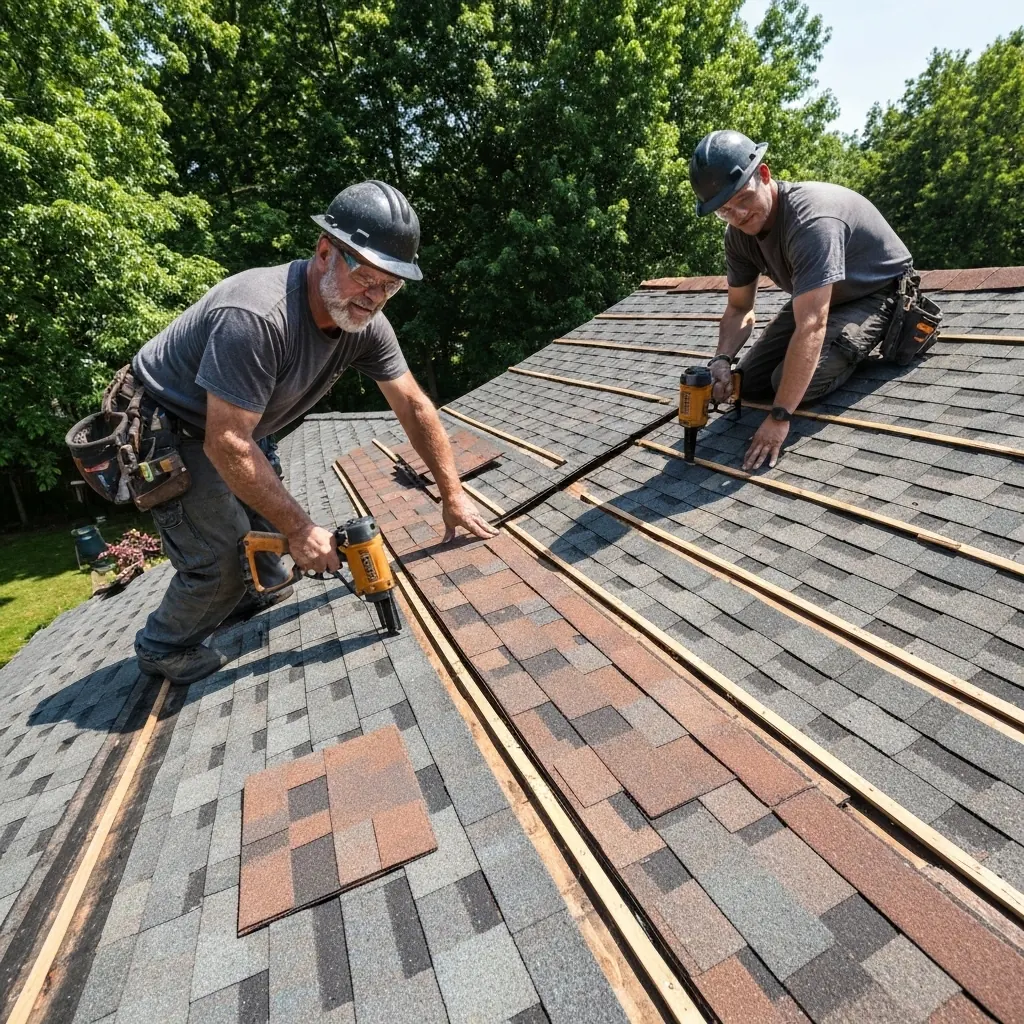
Tear-off costs about $100 to $150 a square for each layer removed, and most jobs start by stripping the old roof to bare wood. Two layers cost twice as much and double the weight hauled away. A square of old asphalt weighs 200 to 300 pounds, so a 25-square roof produces a few tons of debris, and the dumpster usually costs $400 to $600 depending on landfill fees.
Laying new shingles over the old ones is sometimes allowed, but only once. The International Residential Code prohibits a recover "Where the existing roof has two or more applications" of roofing. A layover also hides the deck, traps heat and can reduce warranty coverage, so most good roofers recommend a full tear-off.
The deck, the plywood or OSB under the roofing, cannot be inspected until the shingles are off, which makes rot the most common surprise on a final bill. A replaced 4x8 sheet usually costs $70 to $120 installed, so a few sheets add little. A deck damaged by years of leaks, or an older house with gapped boards originally laid for wood shakes, may need re-sheathing across the whole roof, adding $4,000 to $7,000 on a 2,000-square-foot house. Make sure the estimate lists a per-sheet price in advance.
Steep pitch raises labor and surface area
Pitch raises both labor and surface area. Below about 4/12, a crew can walk the roof freely. At 7/12 and steeper, crews need harnesses, roof jacks and toe boards, work slows, and estimates include a steep charge of about $20 to $60 a square. On very steep roofs, labor can run 15 to 30 percent higher than on a walkable roof.
Shape matters just as much. A simple gable is the cheapest roof to shingle. Every hip, valley, dormer and chimney requires cutting, flashing and careful work, and a complex roof can take 40 percent more labor than a simple one with the same square footage. Re-flashing a chimney alone typically costs $300 to $700, and skylights, plumbing vents and attic fans each add a smaller amount.
Height adds cost as well. A one-story roof needs only ladders, while a three-story house needs lifts or a hoist to raise bundles, a long chute or drop for debris, and often a height surcharge. These are fair charges, but they should appear as their own line items, not hidden inside a material line.
Permits usually add under 2 percent
A full reroof almost always requires a building permit, which is usually under 2 percent of the job. Many mid-sized towns charge a flat $150 to $400, including a deck inspection and a final. Larger cities often charge by project value instead, such as $15 per $1,000, which puts a $20,000 roof at $300, and some coastal areas with hurricane or wildfire reviews charge over $1,000. The roofing permits guide explains who pulls the permit, what inspectors check, and the consequences of skipping it, including stop-work orders, denied insurance claims and problems at resale.
Location affects the rest of the price. Labor in New York, Chicago or San Francisco costs well above rural Midwest or Southern rates, and workers' comp premiums for roofers vary widely by state and are passed on to homeowners. Local codes add cost in some regions, such as ice barrier at the eaves in snow country and stricter nailing and product approvals along the hurricane coast.
Season also matters. Late summer and fall are the busiest months, with full calendars and few discounts. Late winter and early spring can bring lower bids from companies keeping crews busy, but avoid scheduling in freezing weather, because asphalt shingles need warmth for their sealant strips to bond.
Should you repair or replace your roof?
Not every leak requires a new roof. Small repairs, such as a cracked pipe boot or a few blown-off shingles, usually cost $300 to $800, and flashing or valley work around $1,500 to $3,500. Roofers use a rough guideline called the 30 percent rule: once more than about 30 percent of the roof is worn or damaged, replacement costs less than continued patching.
Age decides most cases. On an eight-year-old architectural roof, a $400 boot replacement can buy two decades. On a 22-year-old 3-tab roof, the same repair stops one leak while the brittle shingles around it wait for the next storm. Comparing cost per year helps: a $15,000 roof that lasts 25 years costs $600 a year, while three $1,200 repairs over five years cost $720 a year and still leave you with an old roof. The full comparison, including hidden deck damage and the effect of insurance, is in roof replacement vs repair.
How to read a roofing estimate

A complete estimate names every component. It should list:
- The shingle brand and line ("GAF Timberline HDZ," not "architectural shingles").
- The underlayment, ice and water shield and drip edge.
- New flashing and the ventilation plan.
- How many layers will be removed.
- A per-sheet price for replacement decking.
Labor usually makes up about half the total, roughly $150 to $300 a square depending on region and roof shape. A one-page estimate with a single number leaves nothing in writing to stop a contractor from substituting materials mid-job.
Get three bids and compare them line by line, not by total. If one roofer counts 25 squares and another 29, someone measured incorrectly or added extra waste, and the squares figure from the calculator shows which. For a bid far below the other two, the National Roofing Contractors Association offers simple advice: "If it sounds too good to be true, it probably is." Low bids that leave out items tend to return as change orders once the old roof is off. The guide on how to read a roofing estimate goes through each line with fair prices.
Check the roofer's paperwork first
Start with the paperwork. A roofer should have a license wherever your state or city requires one, plus general liability insurance and workers' comp, with certificates sent directly from the contractor's insurance agent rather than a photocopy. Then check the company: a permanent local address, years in business under the same name, and recent jobs you can drive by and see.
Payment terms are the next check. The Federal Trade Commission's advice is direct: "Don't pay the full amount for the project up front." A 10 to 33 percent deposit for materials is normal. Walk away from demands for half or more, cash-only terms, discounts that expire unless you sign today, or a stranger at the door the morning after a hailstorm. Hold the final payment until the job passes inspection, and get a lien waiver with it so an unpaid supplier cannot claim against your house. More vetting steps, and how manufacturer certifications work, are in how to choose a roofing contractor.
Can you save money replacing a roof yourself?
On a 20-square architectural reroof, doing the work yourself saves roughly $6,000 to $10,000 in labor, but the costs add up quickly. You need a roofing nailer ($200 to $400), a compressor ($150 to $300), a harness, anchors and ladders ($400 to $600), and a dumpster ($450 to $700). You also pay retail for shingles, while contractors get 10 to 20 percent off at the supply house.
Time and risk matter more. A professional crew strips and reroofs a standard house in a day or two, while two amateurs take five to seven days, with the house exposed to weather between weekends. Falls from even a one-story roof cause permanent injuries, and step flashing, valleys and chimneys are where amateur roofs leak. There is no labor warranty, and a home inspector will notice the work. Sheds and small repairs are reasonable DIY projects; the full comparison is in DIY roofing vs hiring a pro.
Cash is the cheapest way to pay
Cash is the cheapest way to pay, and it can sometimes lower the price by 3 to 5 percent because the contractor avoids card or dealer fees. Keep your emergency fund intact, though. Home equity loans and HELOCs usually have the lowest rates, but approval can take thirty to sixty days, which is too slow if water is already coming through the ceiling.
- Personal loans are fast. Funds arrive in a day or two at roughly 7 to 20 percent interest, depending on credit. Borrowing $10,000 at 10 percent over five years costs about $212 a month.
- Contractor financing is convenient but carries a risk. Many "no interest for 18 months" offers charge interest back to the first day, often at 17 to 29 percent, if any balance remains when the promotion ends. Ask for a cash price and a financed price side by side to see what the dealer fee costs you.
- Insurance may cover storm damage. If hail or wind damaged the roof, homeowners insurance may pay for it minus your deductible. The guide on getting insurance to pay for a roof replacement covers the claim.
Other options, including FHA Title I loans, PACE assessments, payment calculations and the fine print, are covered in roof financing options.
How long does a roof replacement take?
Most shingle roofs take one to three days. An experienced crew can tear off and reroof a simple ranch in one day, while steep roofs with many dormers take three to five. Standing seam takes about three to six days on a 2,000-square-foot house, and slate takes 12 to 20 days on a 2,500-square-foot roof, with every piece nailed by hand.
Rot under the old shingles and weather cause most delays. A 30 percent chance of rain can be enough for a careful crew to postpone tear-off, and a badly damaged deck can add a day of re-sheathing. Time also affects price, since labor is about half of an asphalt job and specialty crews charge craftsman rates. A crew's typical day and the schedule questions to ask are covered in how long a roof replacement takes.
A new roof comes with two warranties
A new roof comes with two warranties that cover different failures.
- The manufacturer's warranty covers shingle defects. "Limited lifetime" usually means full material coverage only for an early period, often about 10 years, prorated after that and frequently for materials only.
- The roofer's workmanship warranty covers installation mistakes. Installation errors cause far more leaks than defects. These warranties typically run two to ten years and are only as reliable as the company behind them.
System warranties from GAF, Owens Corning and CertainTeed close the gap, with the manufacturer covering labor even if the installer goes out of business. They cost about $500 to $1,500 on a typical house and are available only through certified contractors using the manufacturer's matching components. A poorly ventilated attic can void a shingle claim, so make sure the ventilation plan is in the contract. Warranty tiers, transfers and common exclusions are covered in the roof warranty guide.
More roof cost & hiring guides
New roof cost questions
How much does a new roof cost on a 2,000-square-foot house?
A new architectural shingle roof on a 2,000-square-foot house usually costs around $13,000 to $22,500, including tear-off of one old layer. The roof is larger than the footprint: a 6/12 pitch plus waste turns 2,000 square feet into about 25 squares. Steep, complex roofs and high-cost labor markets fall at the top of the range.
How much is a new roof per square foot?
A new roof costs about $3.80 to $5.50 a square foot installed for 3-tab and $4.50 to $7.50 for architectural shingles. Metal costs roughly $6 to $16 depending on panel type. Tear-off adds about $1 to $1.50 a square foot for each old layer.
What is the cheapest way to replace a roof?
3-tab asphalt is the cheapest up front, at about $380 to $550 a square installed. It also has the shortest life and the weakest wind rating, so architectural shingles often cost less per year of service.
Is a metal roof worth the extra cost?
Often, yes, if you plan to stay a long time. Standing seam costs roughly twice as much as architectural shingles, and InterNACHI gives metal 40 to 80 years against about 30 for architectural. If you plan to sell within five years, it is usually not worth it.
Does homeowners insurance pay for a new roof?
Only when a covered event, such as hail, wind or a falling tree, damaged it. A roof that simply wore out is the owner's expense. Even on a covered claim you owe the deductible, and wind and hail deductibles are often a percentage of the home's insured value.
Prices are 2026 US national averages and building codes vary by town. Materials, warranties and code adoptions change, so confirm prices with local contractors and code rules with your building department before you sign anything.
Estimate Your Roof Cost
Use our free roofing calculator. No sign-up required.