 RoofingCalculator.io
What Is Rolled Roofing?
By RoofingCalculator.io. Updated October 14, 2026. Prices, ratings and code references link to their sources.
Pricing your own roof? Get squares, materials and a 2026 cost range in about two minutes. Free, no sign-up.
Rolled roofing is a thin asphalt-soaked mat topped with mineral granules and sold in rolls 36 feet long and 36 inches wide, about one roofing square each. At around $50 to $70 a roll, it is the cheapest roof covering available. It is used mostly on sheds, garages and other low-slope outbuildings.
Four facts decide whether it suits your project.
- It is the least expensive roof you can buy. Material costs about $0.50 to $0.70 per square foot, and professional installation runs $2.50 to $5.00 per square foot.
- It lasts 5 to 10 years. That is a fraction of the life of a shingle roof, so long-term cost is higher.
- It needs a slope of at least 1:12. The International Residential Code does not allow it on flatter roofs.
- It belongs on outbuildings. Sheds, detached garages and workshops are its best use; houses are usually better served by shingles or a membrane.
A roll of rolled roofing covers about 100 square feet
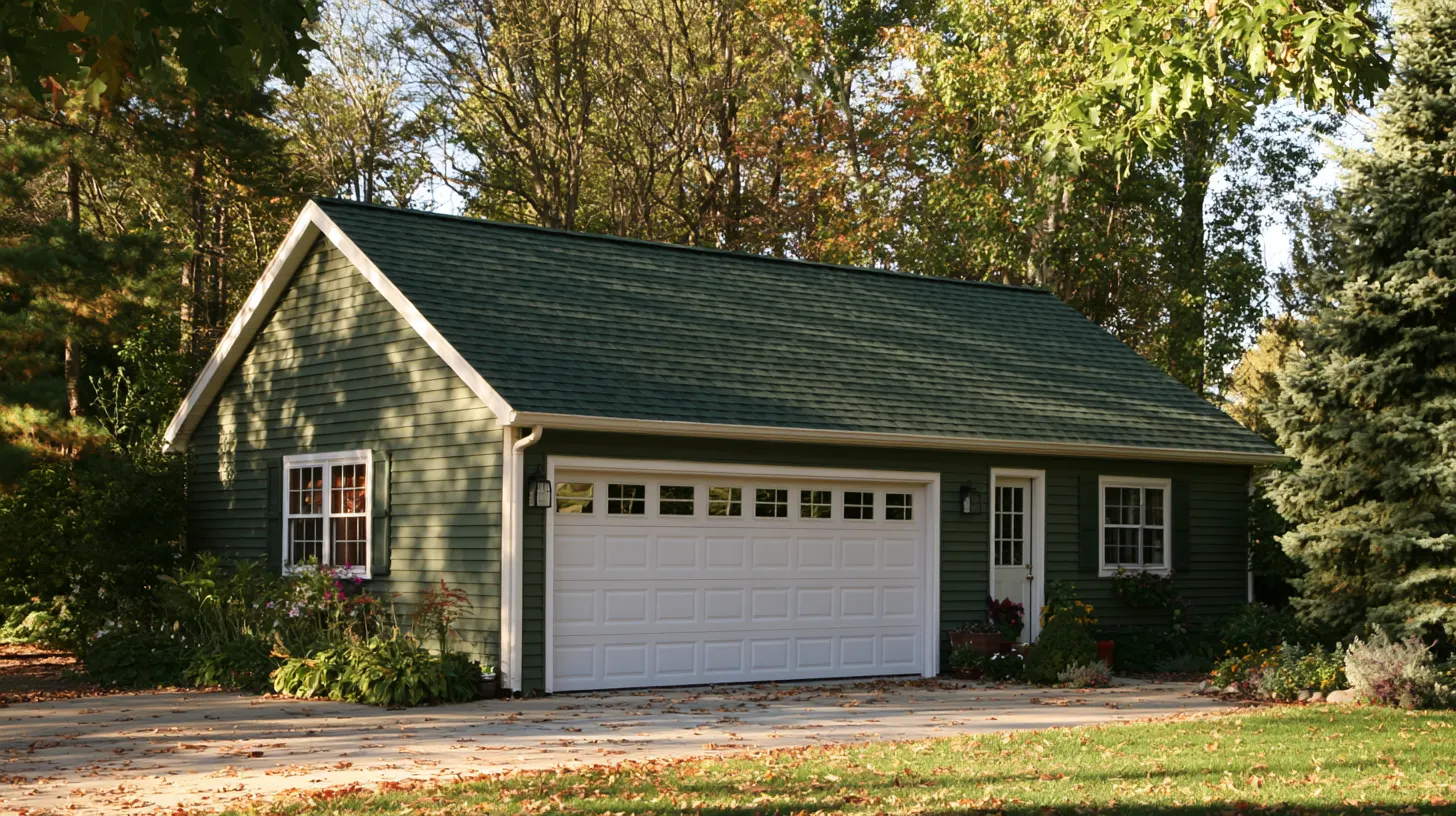
A roll of rolled roofing measures 36 feet by 36 inches, or 108 square feet, which nets out to about 100 square feet once the laps are accounted for. Roofers call 100 square feet a square, so the square count the roofing calculator gives you for a shed is close to the number of rolls you need.
Rolled roofing is essentially a thinner, more flexible asphalt shingle in one long sheet, and the least expensive roofing for a house or outbuilding. Inside is a fiberglass or organic felt mat soaked in asphalt, with ceramic granules on top for UV protection and some fire resistance. Each roll weighs about 75 pounds, light enough for one person to carry with care.
Its strength is low slopes, where shingles struggle with wind lifting the tabs and water backing up under them. Beside architectural shingles or metal panels it looks plain, so most people use it on outbuildings. It does not work on dead-flat roofs where water stands for days, because the water eventually gets into the seams and rots the deck.
A roll of MSR costs $50 to $70
A roll of Mineral Surfaced Roll (MSR) roofing costs $50 to $70 at major home stores, or about $0.50 to $0.70 per square foot in material.
| Material | Material cost per square foot |
|---|---|
| Rolled roofing (MSR) | $0.50 to $0.70 |
| Three-tab shingles | $0.90 to $1.20 |
| Architectural shingles | Often over $1.50 |
Professional installation usually costs $2.50 to $5.00 per square foot, depending on region and roof complexity. For a standard 500-square-foot garage, that is about $1,250 to $2,500, covering rolls, roofing nails, lap cement and edge flashing. Tear-off and disposal of an old roof add $1.00 to $1.50 per square foot per layer.
Installing it yourself saves a lot, and the tools are simple: a utility knife, hammer, roofing trowel and tape measure. Instead of placing hundreds of shingles, you roll out long sheets and seal the edges.
Most rolled roofing has a fiberglass core
The core is a mat of fiberglass or organic felt, and fiberglass now dominates because it resists fire and rot better. The mat is soaked in hot liquid asphalt, which does the waterproofing, and then coated with crushed rock or ceramic granules in common roof colors such as black, gray and tan.
The back of the roll is usually dusted with fine sand or covered with a thin plastic film so the layers do not stick together in storage. Higher-priced versions use polymer-modified bitumen, either SBS (styrene-butadiene-styrene) or APP (atactic polypropylene), which makes the sheet rubbery enough to expand and contract without cracking. These often cost $80 to $120 per roll and last longer.
Standard MSR is only about 1/8 inch thick, which is why it wears out sooner than the alternatives. Heavy foot traffic wears it down, large hail can damage it, and a falling branch is far more likely to puncture it than a thick architectural shingle.
Minimum slope for rolled roofing
Rolled roofing can be installed on slopes as low as 1:12 (one inch of rise per foot of run), which puts it in low slope roof territory. Slope is measured as rise over 12 inches of run, and at 1:12 water drains slowly.
- Below 1:12, it is not allowed. The International Residential Code states that mineral-surfaced roll roofing "shall not be applied on roof slopes below" 1:12.
- From 1:12 to 2:12, use double coverage. Each sheet laps the one below by 19 inches, so more than half of every sheet is covered and the roof is effectively two plies.
- At 2:12 or steeper, a 2- to 4-inch overlap is enough. Water runs off fast enough that it does not back up under the laps.
On a flat roof, standing water slowly breaks down the seam adhesive, the seal fails, and the plywood deck takes the damage.
Rolled roofing works best on sheds and outbuildings
Sheds are the classic use: garden sheds, tool sheds and potting sheds with simple roofs and few vents or chimneys. Most are a weekend job.
Detached garages and workshops also suit it. What matters there is keeping cars and tools dry, and rolled roofing does that for a fraction of the cost of metal. Some owners use it as a stopgap on a building they plan to tear down or replace in five to seven years.
It occasionally goes on a low-slope part of a house, such as a sunroom or covered porch. Code allows that where the slope works, and in cold climates the IRC ice barrier rule applies to mineral-surfaced roll roofing the same way it applies to shingles. Your town may be stricter for the main house, and some homeowners associations (HOAs) ban it for appearance, so check zoning rules and HOA bylaws before using it on an addition.
MSR vs EPDM vs modified bitumen
Three different products are sold by the roll, and they differ widely in price and life.
| Product | What it is | Typical life |
|---|---|---|
| MSR (Mineral Surfaced Roll) | Basic asphalt roll; cheapest and least durable | 5 to 8 years |
| Modified bitumen | Asphalt with polymers; often peel-and-stick | 12 to 20 years |
| EPDM (Ethylene Propylene Diene Monomer) | Synthetic rubber, no asphalt or granules | Often 20 to 30 years |
MSR wears out as its granules shed and the asphalt turns brittle and cracks. EPDM costs more, often $2.00 to $3.50 per square foot for material alone. It is usually black, is the standard for flat roofs, and needs its own adhesives and seam tapes.
Modified bitumen installs like asphalt but flexes like rubber. Much of it is peel-and-stick, with factory adhesive under a release liner, so there is no lap cement and no torch. DIYers roofing part of a house often choose it because the seams seal tightly.
How do you install rolled roofing?
Rolled roofing goes on in four steps.
- Prepare a clean, dry, flat deck. Remove the old roofing and replace rotten decking. Even a small bump in the wood will wear through a thin rolled roof early.
- Install drip edge and underlayment. Drip edge flashing goes along the eaves first so water cannot wick into the wood, followed by roofing felt or synthetic underlayment. Some manufacturers allow rolling directly onto plywood, so check the wrapper.
- Lay the first course at the bottom of the slope. Let it overhang the drip edge about half an inch and nail along the top edge every 6 to 12 inches, where the next course will cover the nails. Apply lap cement (a thick asphalt adhesive) in a band about 4 inches wide along the bottom edges and wherever two rolls meet end to end.
- Lay the remaining courses. Lap each course at least 2 inches on steeper slopes and 19 inches on low ones. Cement every inch of overlap, since seams are where these roofs fail, then roll each seam with a heavy roller until the adhesive bonds across the granules.
Install rolled roofing between 60 and 75°F
Install rolled roofing between about 60 and 75°F, ideally on a mild, overcast day. Below 50°F the asphalt stiffens and turns brittle, and a roll unrolled in the cold cracks or develops permanent wrinkles. Those wrinkles trap air pockets where moisture condenses.
Heat causes problems too. On a summer afternoon the sheet softens, and foot traffic can scuff off granules or leave footprints in the asphalt.
Thermal expansion ends many of these roofs. The deck and roofing expand at different rates in the sun, and large continuous sheets cannot flex the way separate shingles can. After a few years, nails back out or pull through, and the seams split once the lap cement dries out.
Most rolled roofing lasts 5 to 10 years
Most MSR roofs last 5 to 10 years, closer to 5 under harsh sun or heavy snow. The sheet is so thin that it has little asphalt to lose; once the granules wash off, the sun degrades the asphalt quickly.
Modified bitumen can last 12 to 20 years because the polymers slow drying, and EPDM rubber rolls can last 25 years or more.
Basic care adds a few years. Sweep off leaves and pine needles, which hold water and encourage moss and algae. Moss is the most damaging, because its roots work into the asphalt and leave small holes that leak.
Rolled roofing usually fails at the seams first
Rolled roofing usually fails at the seams first, when thin cement or roof movement lets them lift. Check the edges once a year. If you can raise a roll edge with one finger, repair it right away; fresh roofing cement often works while the material is still flexible.
Bubbles and blisters come from moisture trapped during installation. The sun turns that water to vapor, which pushes the sheet into a dome that breaks easily. Many blisters usually mean the roof went down over a damp deck or in poor weather.
Bald spots mean age. A few granules in the gutter after the first rains are normal, but large patches of bare black asphalt are not. Without granules, the asphalt cracks in the sun within a season or two.
Pros and cons of rolled roofing
Rolled roofing has four main advantages:
- Low cost. It keeps a building dry for very little money.
- Fast installation. A professional crew can often roof a small garage in two or three hours.
- Easy to find. Hardware stores and lumberyards stock basic MSR rolls, so you can buy and install it the same day a storm damages a shed roof.
- Light weight. Old sheds and barns that were never framed for clay tile or thick slate can carry it easily.
Its disadvantages are just as clear:
- Short life. A shingle roof might last 25 years, while a rolled roof is replaced three times in that period, so the long-term cost with labor and disposal is higher.
- Plain appearance. It lacks the shadow lines, texture and color variation of modern shingles.
- Resale impact. On a main house, buyers may read it as a sign of cut corners elsewhere.
- Wind vulnerability. One lifted edge can let a gust peel back a large section, so roofers generally advise against it in hurricane regions or areas with strong straight-line winds.
What to ask a contractor
Ask specific questions about materials and method, because some crews treat low-slope work as an afterthought next to shingle roofs.
- Which lap cement and how much overlap? On a low slope, the answer should be 19 inches, not the standard 2.
- Will they roll the seams? A weighted roller bonds the adhesive and removes air pockets.
- Will they install metal drip edge? Some contractors fold the roofing over the deck edge to save money, which leads to rotted wood within a few years.
- What workmanship warranty do they offer? Manufacturers cover only defects, usually for a few years, so get a written workmanship warranty covering seam leaks for at least two years.
Is rolled roofing the right choice?
Rolled roofing is the wrong material for anything valuable you need to protect for twenty years, such as the house itself or a good car. Maintenance and frequent replacement eat up the upfront savings.
It is the right material for a backyard shed holding a $500 lawnmower or a building due for renovation soon. Installed within its slope and temperature limits, it provides a basic waterproof layer reliably and for about as little as a roof can cost.
Rolled roofing questions
How long does rolled roofing last?
Standard mineral-surfaced rolled roofing lasts about 5 to 10 years, closer to 5 under harsh sun or heavy snow. Peel-and-stick modified bitumen often lasts 12 to 20 years, and EPDM rubber can last 25 years or more.
What is the minimum slope for rolled roofing?
1:12. The International Residential Code does not allow mineral-surfaced roll roofing below a slope of 1:12. Between 1:12 and 2:12 it is installed as double coverage with a 19-inch lap, and at 2:12 or steeper a 2- to 4-inch overlap is typical.
Can you put rolled roofing on a house?
Yes, on a low-slope porch or addition where code allows it, but it is often a poor choice. It looks plain, wears out quickly, can lower resale value, and many HOAs do not allow it.
How much does rolled roofing cost?
About $50 to $70 per roll of standard mineral-surfaced roofing, and each roll covers about one square. Professional installation costs $2.50 to $5.00 per square foot, so a 500-square-foot garage roof runs about $1,250 to $2,500.
Can you install rolled roofing over shingles?
No, it is not recommended. The sheet is thin, so every bump and shingle edge underneath shows through and quickly wears a weak spot. Remove the old roof, repair the deck and start on a smooth, dry surface.
Prices are 2026 US national averages and building codes vary by town. Materials, warranties and code adoptions change, so confirm prices with local contractors and code rules with your building department before you sign anything.
Estimate Your Roof Cost
Use our free roofing calculator. No sign-up required.