 RoofingCalculator.io
What Is Built-Up Roofing?
By RoofingCalculator.io. Updated October 14, 2026. Prices, ratings and code references link to their sources.
Pricing your own roof? Get squares, materials and a 2026 cost range in about two minutes. Free, no sign-up.
Built-up roofing (BUR) is a flat roof made of alternating layers of hot bitumen and reinforcing felt, usually three to five plies, topped with gravel or a cap sheet. Most people call it a tar and gravel roof. It costs about $5.50 to $10 a square foot installed and lasts roughly 20 to 30 years, depending on how many plies were installed.
Four points cover what most owners need to know.
- Its strength is redundancy. A four-ply roof has four layers of felt, so a puncture in the top layer does not reach the deck.
- More plies mean a longer life. Three-ply roofs often last 15 to 20 years, while four- and five-ply roofs can pass 25.
- It is heavy. A finished four-ply gravel roof weighs 400 to 600 pounds a square.
- Lighter membranes have largely replaced it on houses. Modified bitumen, TPO, EPDM and PVC are the usual replacements.
Built-up roofing and tar and gravel are usually the same
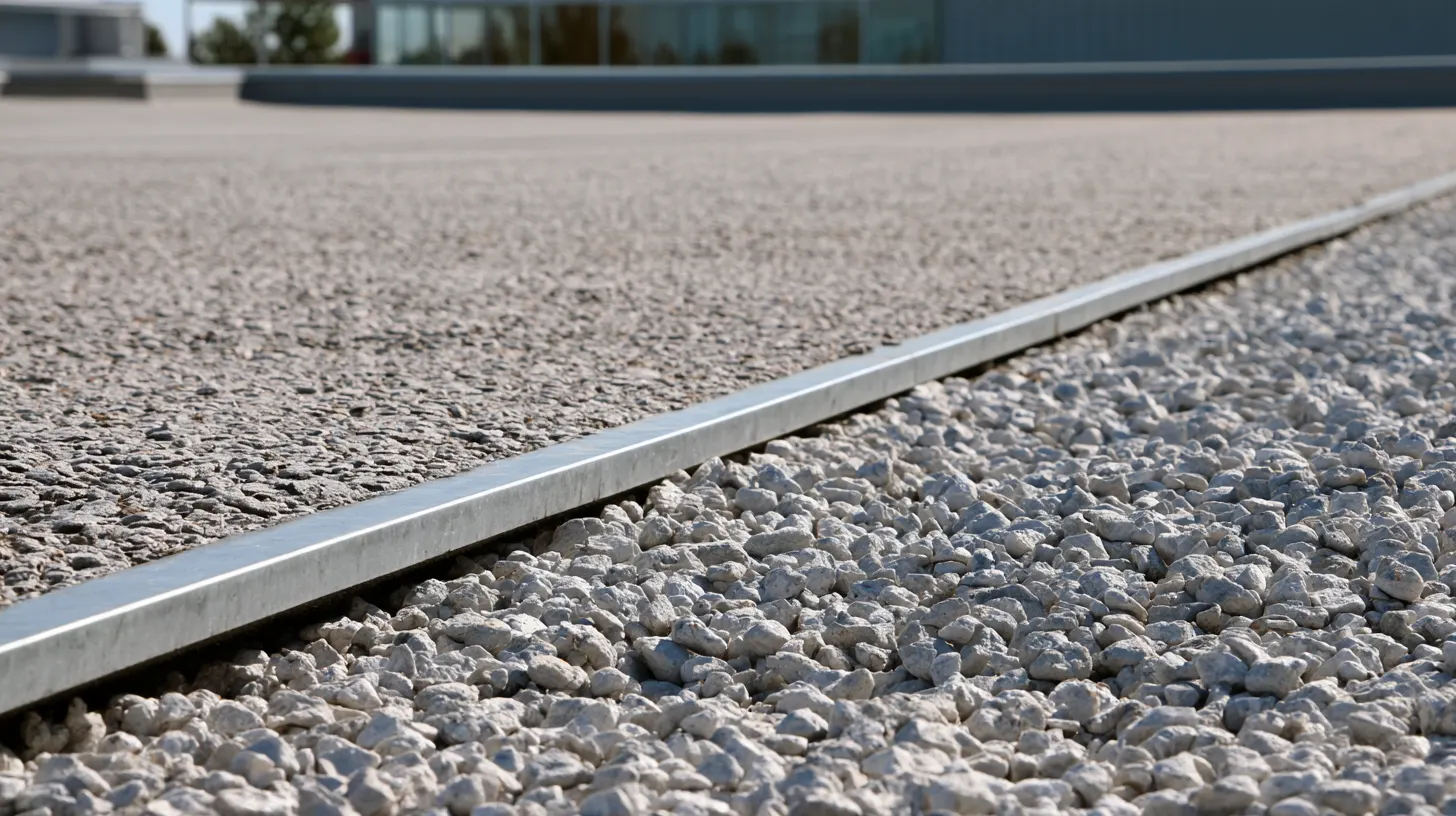
In most cases, built-up roofing and tar and gravel are the same thing. Tar and gravel is the common name for a built-up roof whose top layer is a thick flood coat of hot bitumen with gravel embedded in it. InterNACHI uses both names together, noting that "Built-up or tar-and-gravel roofs" belong on low slopes only.
The word tar is a holdover. Early built-up roofs were mopped with coal tar pitch, and some still are, but most modern BUR uses asphalt. Not every built-up roof has gravel, either. Some are finished with a mineral-surfaced cap sheet, similar to a wide roll of shingle material, and some get a white reflective coating. All of these are built-up roofs; only the tar and gravel version has stone on top.
What sets BUR apart is redundancy. A single-ply membrane like TPO is one sheet of plastic, while a four-ply built-up roof is four overlapping layers of felt fused with bitumen. A hole in the top layer still leaves several layers beneath it.
Built-up roofing is bitumen, felts and surfacing
Built-up roofing is made from three components: bitumen, felts and surfacing. The crew nails or mops a base sheet to the deck or insulation, then alternates hot bitumen and plies of felt. Each sheet overlaps the last so every point on the roof has the specified number of plies, and a cut anywhere in a four-ply roof would show four layers of felt.
Most built-up roofs now use roofing asphalt
Most BUR now uses roofing asphalt, graded by softening point. Softer grades go on nearly flat roofs, and harder grades go on steeper slopes or in hot climates where soft asphalt could slide. Coal tar pitch is the older option. It stays slightly fluid and can slowly flow back into small cracks, which is why code lets coal tar roofs be built flatter than asphalt ones. Its fumes during installation are unpleasant, and it is much less common today.
Temperature control is critical. Hot bitumen must be applied at its equiviscous temperature: too cool and it goes on thick and bonds poorly, too hot and it spreads thin and can break down. A good kettle operator monitors the temperature all day, with the kettle typically running well above 400°F.
Felts give the roof its tensile strength
The felts give the roof its tensile strength. Older roofs used organic felts made of paper and wood fiber, while modern roofs use glass-fiber ply sheets that resist rot and blistering. On a gravel roof, the crew pours a heavy flood coat of bitumen and spreads gravel or slag into it while it is hot, often around 400 pounds of gravel per 100 square feet.
The gravel does real work. It blocks the UV that would dry out the bitumen, adds weight against wind uplift, improves fire resistance and gives HVAC technicians a surface to walk on. A finished four-ply gravel roof can weigh 400 to 600 pounds a square, several times as much as a shingle roof.
Built-up roofing still suits high-traffic commercial roofs
Built-up roofing is still common on commercial buildings, schools, warehouses and roofs with heavy foot traffic, because its thick layered surface stands up to dropped tools and boots. It also remains on many mid-century modern homes, especially in the West and Southwest, where the original gravel roof is part of the design.
On new homes and residential replacements, most roofers now install single-ply membranes or modified bitumen instead. Several factors drove the change:
- Equipment and insurance. Hot-mopping requires a kettle, a larger crew and additional insurance, and many residential roofers no longer own the equipment.
- Fumes. Neighbors object to the smell during installation.
- Weight. Older framing may not handle the load.
- Leak detection. Gravel makes leaks hard to find, and water can travel between plies before it drips inside.
Energy codes also played a part. Dark gravel absorbs heat, and some states and cities now have reflectance requirements for new low-slope roofs. A white surface makes a large difference: ENERGY STAR notes that a clean white roof reflecting 80% of sunlight "will stay about 50°F cooler" than a gray roof reflecting 20%. BUR can meet those rules with a reflective cap sheet, white aggregate or a coating, but that adds cost to a system that is already labor-intensive.
Built-up roofing costs $5.50 to $10 a square foot
Built-up roofing costs about $5.50 to $10 a square foot installed, or $550 to $1,000 a square. On a 1,500-square-foot flat roof, that is roughly $8,250 to $15,000. Three-ply roofs fall near the bottom of the range, and five-ply roofs with tapered insulation and new edge metal near the top.
Labor is most of the cost. A BUR crew is usually four to six people: one on the ground tending the kettle, one mopping and the rest rolling felt and spreading gravel. Materials are a smaller share, though asphalt prices follow oil prices, so quotes can shift between bids.
Tear-off adds significantly. The old gravel and flood coat must first be scraped off, a loud, dusty process called spudding, and disposal is charged by weight. Removing a gravel BUR usually costs more than the $100 to $150 a square typical for one layer of shingles. Flat roof bids are priced per square, including tear-off, so get your square count from the roofing calculator before collecting quotes.
A built-up roof usually lasts 20 to 30 years
A professionally installed built-up roof usually lasts 20 to 30 years, and the InterNACHI life expectancy chart lists BUR at about 30. InterNACHI also notes that more plies tend to mean a longer life. A three-ply roof is often treated as a 15-to-20-year roof, while four- and five-ply roofs can last more than 25 years.
Maintenance determines where a roof falls in that range. Wind and heavy rain push gravel into drifts and leave bare spots, and exposed bitumen is where failure starts. Inspect the roof twice a year, ideally in spring and fall, and check:
- Gravel coverage. Rake gravel back over bare spots and add a fresh flood coat when needed.
- Drains and scuppers. Clear any blockages.
- Metal edge flashing. Look for loose or separated sections.
- Vegetation. Remove weeds growing in the gravel.
Drainage matters as much as gravel. Water ponding more than 48 hours softens the bitumen and adds weight, the deck sags, and the pond deepens with each rain. Clogged drains are a common cause and the cheapest to fix.
Blistering is the classic built-up roof problem
Blistering is the classic BUR problem. Air or moisture trapped between plies during installation expands in summer heat and pushes the layers apart. Small, unbroken blisters are often left alone, while large or cracked ones are cut open, dried and patched.
Alligatoring is the second. Exposed asphalt oxidizes and cracks into a pattern of small interlocking blocks. Caught early, a new flood coat or coating seals it. If the cracks reach the felts, water enters the plies and freeze-thaw cycles can split them apart.
Most serious leaks start at flashing. Where the roof meets parapet walls, curbs, vents and edge metal, materials expand and contract at different rates and old sealant dries out. Splits can also open along deck joints as a building settles, because a stiff built-up roof cracks rather than stretches. Finding the source is slow, since the crew may need to scrape gravel off a large area to see the membrane.
Hot vs cold application
Traditional BUR is hot-applied. Bitumen is melted in a propane-fired kettle and pumped or carried to the roof. It bonds well, installs quickly in cool weather and has the longest track record. The drawbacks are fire risk, burn risk for the crew and fumes reaching nearby windows.
Cold-applied BUR replaces the kettle with solvent-based asphalt adhesives spread by squeegee or spray. It removes the fire hazard and most of the odor, which is why hospitals, schools and dense neighborhoods often choose it. The trade-off is cure time: the adhesives set more slowly, leaving the new roof more vulnerable to rain and foot traffic for a while, and materials usually cost more even with a smaller crew.
What replaces a tar and gravel roof?
When a gravel roof wears out, most homeowners choose one of four systems, each trading some of BUR's toughness for less weight and easier installation. The guide to the best materials for a flat roof covers each in detail.
| System | Installed cost | Key traits |
|---|---|---|
| Modified bitumen | About $550 to $900 per square | Same asphalt chemistry in factory rolls; keeps layered protection at less weight |
| TPO | $650 to $1,100 per square | White, reflective, heat-welded seams; light and fast to install |
| EPDM | Roughly $5 to $12 per sq ft | Black synthetic rubber; flexible in deep cold and easy to patch |
| PVC | Usually the most expensive | Similar to TPO but resists grease and chemicals |
Modified bitumen is the closest relative of BUR. It uses the same asphalt chemistry with rubber or plastic modifiers, supplied as factory-made rolls and installed in two or three layers by torch, hot mop or cold adhesive. A granulated cap sheet replaces loose gravel.
TPO is a white single-ply membrane with heat-welded seams. Because one puncture can cause a leak, upgrading to 60-mil or 80-mil sheets is worthwhile. The TPO vs modified bitumen comparison covers the trade-offs between the two most common replacements. PVC is the standard choice over restaurant kitchens because grease and chemicals do not affect it.
Switching also removes a lot of weight. A 1,500-square-foot gravel roof at about 500 pounds a square weighs roughly 7,500 pounds, while a single-ply membrane over the same area weighs a few hundred. That spare capacity helps if solar panels or rooftop HVAC are added later.
Is built-up roofing right for your roof?
Built-up roofing only suits a nearly flat roof. The International Residential Code requires a design slope of at least 1/4 inch per foot for built-up roofs (1/8 inch for coal tar systems), and InterNACHI advises against them on anything steeper than 3:12. BUR makes the most sense with heavy foot traffic, frequent hail or a mid-century gravel roof you want to keep original.
For a flat-roofed garage, an addition or a modern house with light framing, a membrane is usually more practical. If you stay with BUR, hire a crew that does hot work regularly and owns its kettle, and confirm the structure has been checked for the weight before work begins. Ask these questions and get the layer-by-layer specification in writing:
- How many plies, and which felts?
- How much gravel per square?
- How will you manage fumes and fire safety?
- Will the flashing use modified bitumen strips? They flex better than plain felt at walls and curbs.
Built-up roofing questions
Is built-up roofing the same as tar and gravel?
Mostly, yes. Tar and gravel is the everyday name for a built-up roof finished with a flood coat of hot bitumen and gravel pressed into it. Some built-up roofs skip the loose stone and use a mineral-surfaced cap sheet or a reflective coating instead.
Are tar and gravel roofs still used?
Yes, mostly on commercial buildings, schools and some mid-century flat-roofed homes where durability and foot traffic matter. On most new residential flat roofs, TPO, EPDM or modified bitumen has taken over, because they are lighter, cleaner to install and easier to leak-test.
How long does a built-up roof last?
Usually 20 to 30 years when installed correctly, and InterNACHI's life expectancy chart lists about 30. Three-ply roofs land near the low end. Four- and five-ply roofs with steady gravel cover and good drainage reach the top of that range.
How much does built-up roofing cost?
Roughly $5.50 to $10 a square foot installed, or about $8,250 to $15,000 for a 1,500-square-foot flat roof. More plies, tapered insulation or removing a heavy old gravel roof all raise the price.
Can you put a new roof over tar and gravel?
Usually not without extensive preparation. The loose gravel must be scraped off first, and most roofers prefer a full tear-off so they can find wet insulation and rotted deck. Codes also prohibit a recover where two or more roof layers already exist.
Prices are 2026 US national averages and building codes vary by town. Materials, warranties and code adoptions change, so confirm prices with local contractors and code rules with your building department before you sign anything.
Estimate Your Roof Cost
Use our free roofing calculator. No sign-up required.