 RoofingCalculator.io
Roof Leak Repair Cost
By RoofingCalculator.io. Updated October 19, 2026. Prices, ratings and code references link to their sources.
Pricing your own roof? Get squares, materials and a 2026 cost range in about two minutes. Free, no sign-up.
Most roof leak repairs in 2026 cost between $350 and $1,500. A cracked pipe boot or a few bad shingles runs about $350 to $600, and valley or chimney flashing about $700 to $1,800. If water has already rotted the decking or framing, the bill can pass $3,000.
Five things decide where your repair lands in that range.
- Where the leak is. Pipe boots are the cheapest fix; chimneys and valleys cost more because more of the roof has to come apart.
- What the roof is made of. Asphalt is the least expensive to repair, while metal, tile and slate cost more.
- Hidden damage. Rotten plywood, soft rafters and wet insulation are priced on top of the repair itself.
- Pitch, height and timing. Steep roofs, tall houses, emergencies and winter work all raise the labor cost.
- Where you live. Big-city minimums can be double those in the Southeast and Midwest.
How much does roof leak repair cost?
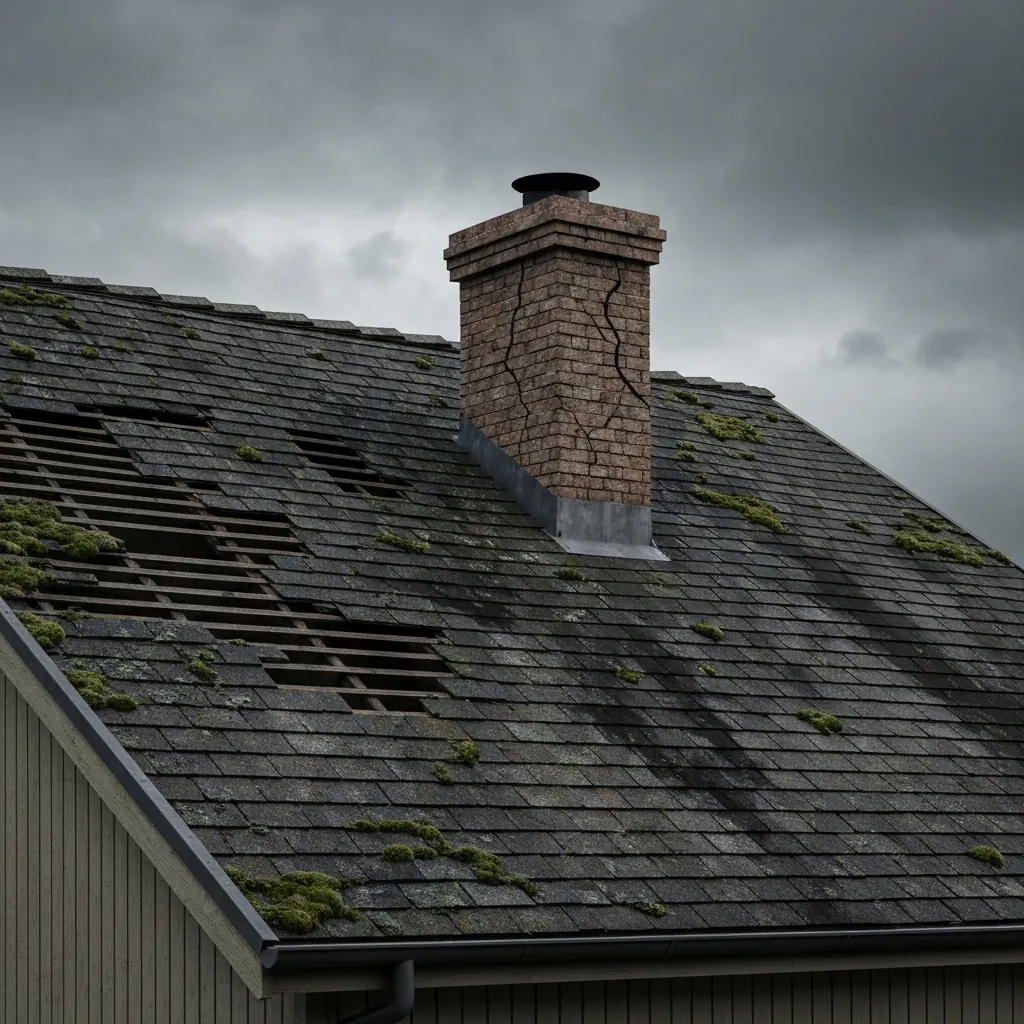
Typical repairs cost $350 to $1,500. Replacing one pipe boot or resealing a few shingles sits at the low end, around $350 to $600, while large jobs with widespread deck damage or failing flashing often exceed $3,000.
| Repair | Typical cost |
|---|---|
| Pipe boot replacement | $300 to $500 |
| Minor chimney repair (reseal, a few pieces) | $500 to $1,000 |
| Full chimney reflash | $1,500 to $3,500 |
| Valley repair | $800 to $1,800 |
| Flat roof seam or puncture patch | $400 to $900 |
| Standing seam metal repair | $600 to $2,000 |
| Emergency tarping | $400 to $800 |
Labor makes up most of the bill. Nearly every roofing company has a minimum charge of about $200 to $400 just to send someone up the ladder, and skilled technicians bill around $85 to $150 an hour. Shingles, sealant and flashing are a smaller share, though petroleum-based products still track oil prices.
Pitch and height also matter. A 4/12 roof is walkable and gets standard pricing. At 10/12 or 12/12 the crew needs safety gear and more time, which often adds 20% to 30% to labor, and a two- or three-story house adds risk and extra trips up the ladder with materials.
Repair cost by leak location
Pipe boots are the most common leak source, and replacing one usually costs $300 to $500. The rubber collars around plumbing vents crack after years of sun. The price covers the $20 to $40 part plus the labor of lifting the surrounding shingles and seating the new collar. Replacing several at once usually lowers the cost per boot, since the roofer is already on the roof.
Chimneys come next. They need two layers of metal, step flashing and counter flashing, and they leak when the mortar holding the counter flashing crumbles or the metal rusts through. Minor fixes such as resealing the masonry or replacing a few pieces cost $500 to $1,000. A full reflash, which means grinding out old mortar and setting new copper or aluminum, costs $1,500 to $3,500.
Valleys carry a large share of the roof's water, so they fail when the metal lining or underlayment wears out. Budget $800 to $1,800, because shingles have to come off two roof planes at once. If a long-running leak rotted the wood underneath, add the cost of the replacement plywood.
Asphalt is the cheapest roof to repair
Asphalt is the least expensive to repair. A bundle costs $35 to $60, most small leaks use less than one bundle, and overlapping shingles come apart and go back together quickly.
- Metal. A leak on standing seam often means replacing whole panels or using special tapes and sealants, for about $600 to $2,000.
- Tile. A single tile costs $15 to $50, but matching it and setting it without cracking its neighbors pushes the bill to a $500 minimum. A roofer unfamiliar with tile can break several walking over to fix one.
- Slate. Repairs often start at $1,000, because new slates have to be hooked carefully into the existing pattern.
- Flat roofs. EPDM, TPO and PVC membranes, common on modern houses and additions, tend to leak at seams or where the membrane meets a wall. A seam or small puncture patch costs $400 to $900. If the insulation boards underneath are soaked, the wet section is cut out and replaced, which brings the cost closer to $2,000.
Hidden damage often raises the bill
A ceiling drip is usually the last sign of a leak, not the first. Water rarely falls straight down; it enters through a hole, runs along a rafter and only then drops onto the ceiling. By the time a stain appears, the deck, insulation and drywall may all be wet.
- Rotten plywood. Adds $100 to $200 per sheet.
- Soft rafters. These need sistering, which means bolting a new board alongside the damaged one. That carpentry can add $500 to $1,500.
- Wet insulation. It loses R-value and grows mold. Removing and replacing a small area of soaked fiberglass or cellulose usually costs $200 to $600.
- Attic mold. Professional cleanup can cost $2,000 to $5,000, depending on how far it has spread.
Ask the roofer to check the insulation and deck once the shingles are off, before the repair is closed up.
Emergency tarping adds $400 to $800 before the repair
Emergency tarping typically costs $400 to $800 just to cover the hole and stop more water from getting in. After a branch comes through the roof or a windstorm strips a section of shingles, everyone needs a roofer at once, and the permanent fix comes later on a separate bill. The full process is covered in the guide to storm damage roof repair.
Winter repairs often cost 10% to 20% more in northern climates. Shingles turn brittle and can crack as they are nailed, and sealants cure slowly, so the work is slower and riskier. Late summer and fall are the busiest months. For a repair that is not urgent, schedule it in spring, when companies are filling their calendars and bids are sometimes lower.
Large cities charge the most for leak repairs
Large cities cost the most. In New York City, San Francisco or Seattle, the minimum service charge may start at $500, with hourly rates above $200, and stricter codes and permit rules can add a few hundred dollars to even a mid-sized repair.
The Southeast and Midwest are generally cheaper. A standard shingle repair in Indianapolis or Charlotte might cost $350 to $600, although higher insurance premiums and wind-resistance rules in those areas can influence which materials go into the fix.
Coastal homes need different hardware for salt air and high wind. Stainless nails and high-wind sealants cost more than standard products, and Florida's code is much stricter about shingle fastening, so any repair there takes more labor.
How a roofer finds and fixes a leak
- Diagnose the source. If it is not obvious, a good roofer runs a water test, with one person on the roof using a hose and another in the attic watching for the first drip. It is slow work, and it is the only way to be sure the right spot gets fixed.
- Remove the damaged materials. On asphalt, the roofer lifts the shingles around the leak down to the underlayment and replaces any torn or worn underlayment with new synthetic or felt.
- Install new shingles. They are woven into the existing pattern so water runs over them correctly.
- Seal and clean up. Pros use polyurethane or silicone sealant on exposed nail heads and flashing joints rather than cheap asphalt plastic cement, because it stays flexible for decades as the house shifts. Cleanup should include a magnet sweep for nails.
Roof age decides whether to repair or replace
Age usually decides whether a $1,200 repair beats a $12,000 roof. InterNACHI puts typical life expectancy at about 20 years for 3-tab shingles and 30 years for architectural shingles. A 3-tab roof at 18 to 22 years old has probably lost most of its granules and gone brittle, so fixing one leak tends to cause the next, because the surrounding shingles crack when lifted. The roofing calculator puts a real number on a full replacement for your house.
Use the 25% rule. If the repair costs more than about a quarter of a full replacement, a new roof is usually the better investment. The same applies if the roof has leaked in three or more places in the past year, which points to a roof wearing out everywhere rather than bad luck.
Look for whole-roof wear: bald shingles missing their granules, curled edges and shingles so stiff they crack when touched. If the entire roof looks like that, spot repairs are mostly wasted money. A 5-year-old roof leaking because of a badly installed vent boot only needs the boot fixed.
Questions to ask before you hire
- Do you have a dedicated repair department? Many large companies focus on full replacements and send their least experienced crew to small jobs. You want someone skilled at tracking down hard-to-find leaks.
- What warranty covers the repair? Most reputable roofers offer one to two years on labor for that specific repair. It covers the leak returning in that exact spot, not a new one elsewhere.
- Will you take photos before, during and after? A professional takes them as a matter of routine.
- Can your agent send a certificate of insurance? Even on a $400 job, the roofer needs general liability and workers' comp. If an uninsured worker falls or a torch starts a fire, the cost can land on you, so get the certificate directly from their agent to confirm it is active.
What happens if you don't fix a roof leak?
A $400 pipe boot ignored for six months can easily become a $3,000 job with new drywall, replaced insulation and framing repairs. Water damage keeps spreading, mostly out of sight, until it shows up all at once.
Insurers are also getting strict about maintenance. Many now check roofs with drones and satellite photos, and if they see deferred maintenance, such as an old tarp or obviously missing shingles, they may drop the policy or deny a later claim. Keeping the roof in good repair keeps the house insurable and sellable.
A routine inspection costs $200 to $400. The inspector looks for cracked sealant, loose flashing and debris holding water in the valleys. Paying for one every few years gives the roof a real chance at its full life for far less than one emergency call.
Most leak repairs belong to a professional
A handy homeowner can put sealant on an exposed nail head, but most other roof work belongs to a professional. Height is only part of the reason. Shingle manufacturers are strict about fastening, so a bad repair can void the warranty, and one incorrectly nailed shingle can cause a leak that insurance will not cover.
Finding the leak is the hard part. Water often runs sideways along the underlayment before it finds a gap in the deck, so a patch directly above the drip may miss a hole six feet farther up. Professionals have traced leaks many times and carry tools such as infrared cameras that make it easier.
If you tarp the roof yourself after a storm, secure the tarp with nailed wood furring strips rather than bricks. Tuck the top edge under a row of shingles or over the ridge cap so water cannot run underneath, and treat it only as a stopgap until a pro arrives.
Add small upgrades while the roofer is up there
With a roofer already on the roof, small upgrades cost little extra.
- Better pipe boots. Ask for lead or high-grade silicone instead of the standard plastic-and-rubber kind. They usually outlast standard boots for a little more money.
- Kick-out flashing. This small piece of metal directs water away from the wall where a roof edge meets siding. The International Residential Code requires flashing to divert water where the eave of a sloped roof meets a sidewall. Many older houses lack it and the siding and sheathing rot there. Adding one during a repair costs about $100 to $200 and can save thousands in wall repairs.
- Attic ventilation. Many apparent leaks are condensation from poor airflow. Hot, humid attic air bakes shingles from below and drips onto the ceiling just like a leak. A roofer can often add a ridge vent or open up the soffits during the same visit.
Roughly $1,000 covers most standard leak repairs, with another $500 in reserve for rot that only appears once the shingles come off. Choose a roofer whose written estimate separates labor and materials, be wary of any quote far below the rest, and fix the leak quickly, since water damage gets more expensive the longer it runs.
Roof leak repair cost questions
How much does it cost to fix a small roof leak?
Usually $350 to $600 for a cracked pipe boot or a few lifted shingles. Most of that is labor and the roofer's minimum charge, not parts. Steep or tall roofs cost more.
Does homeowners insurance cover a roof leak?
Usually yes, minus your deductible, if a sudden event such as wind, hail or a falling tree caused it. Leaks from old age, wear or skipped maintenance are not covered. Interior water damage from a covered event is often included.
Is it worth repairing an old roof that leaks?
It depends on the roof's age and how many leaks it has. A roof near the end of its life that leaks in several spots and is curling and shedding granules should be replaced. A common rule says to replace once repairs would top about 25 percent of a new roof, while a single leak on a young roof is almost always worth fixing.
How much does emergency roof tarping cost?
Typically $400 to $800 for the service call after a storm. Tarping only stops more water from getting in. The permanent repair is billed separately once the weather clears.
Can I fix a roof leak myself?
Only small, temporary fixes. A careful homeowner can seal an exposed nail head or tarp a roof after a storm. Finding the real entry point is harder than it looks, and poor repairs can void a shingle warranty, so hire an insured roofer for anything beyond a temporary patch.
Prices are 2026 US national averages and building codes vary by town. Materials, warranties and code adoptions change, so confirm prices with local contractors and code rules with your building department before you sign anything.
Estimate Your Roof Cost
Use our free roofing calculator. No sign-up required.